Every Child Belongs
Spring 2026
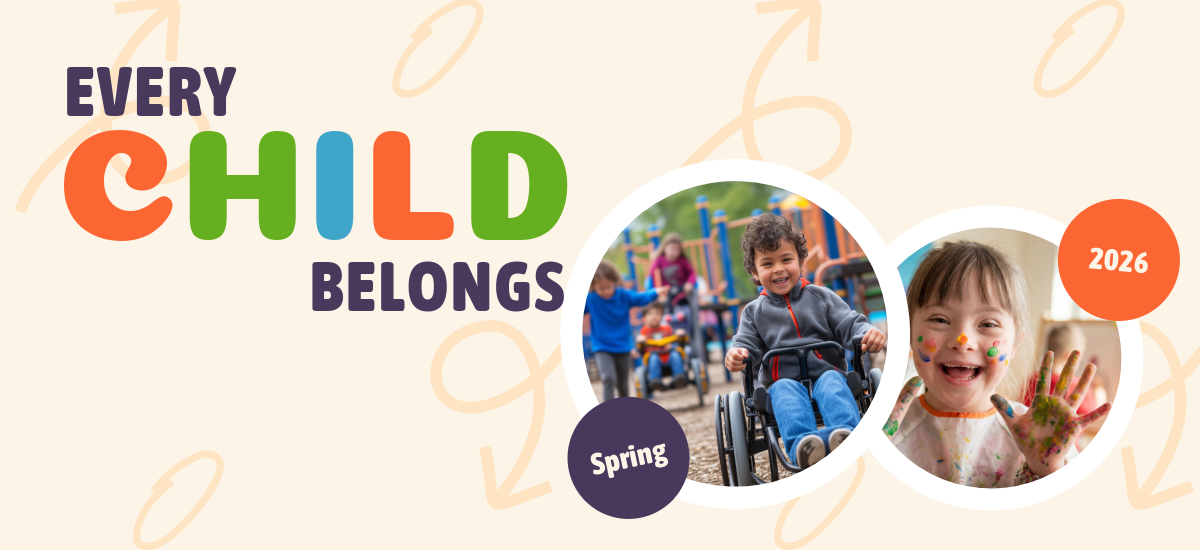
Belonging is at the core of everything we believe about inclusion and inclusive practice. Providing opportunities for a sense of belonging is a right for children with disabilities. It is of primary importance when we are planning for the inclusion, care, relationships, and learning spaces for children with disabilities. Belonging is promoted and supported by more than a single strategy; it is a continuous commitment to building relationships, fostering inclusion, and ensuring every individual feels valued. By taking intentional steps, educators and caregivers can create classrooms and communities where all children thrive academically, socially, and emotionally. Included in this newsletter are videos, podcasts, and articles that promote and exemplify a sense of belonging for all children.
The California Making Access Possible (MAP), funded by the California Department of Social Services, offers more information and tools on belonging and inclusion under Inclusive Practice resources on the website. You can also find more by clicking on Inclusive Community (Take a look at the inclusive theme park! ) in the resources.
Perspectives on Childhood Disability (Video)
CanChild4:39 minutes Length: 4:39 minutes
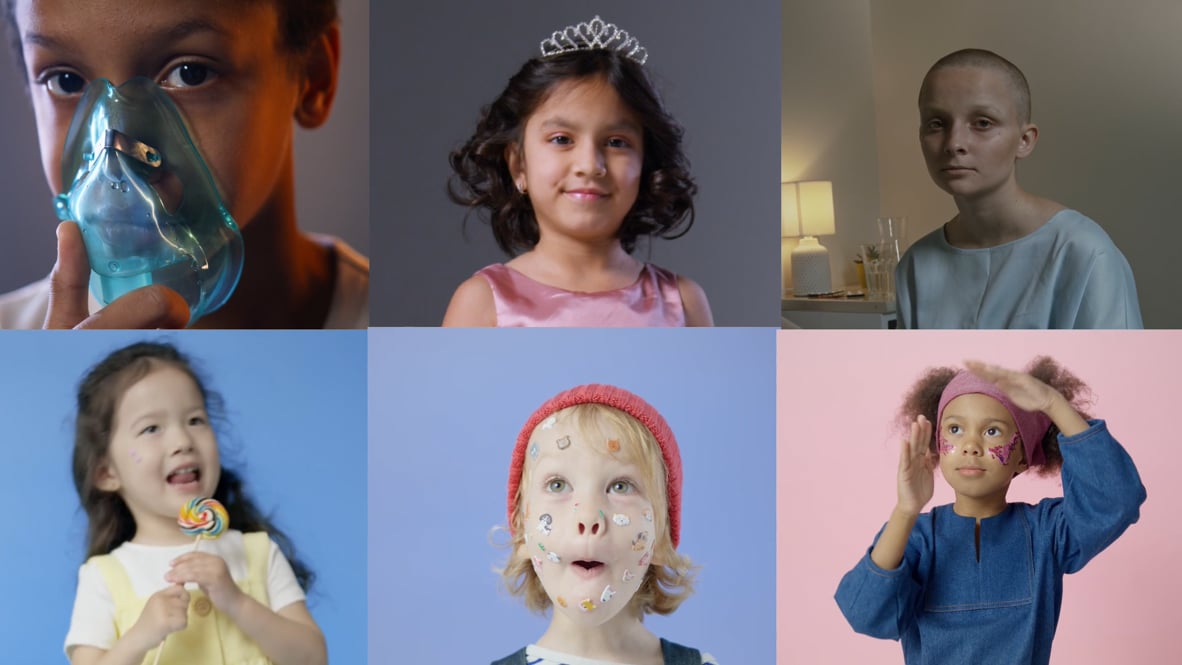
Educators, administrators, and students recognize that tailored supports do more than accommodate diverse learning needs—they cultivate a strong sense of community and belonging. By honoring individual differences and providing personalized assistance, these practices enhance student engagement, build confidence, and promote academic and personal success.
Rightful Presence (Video)
SWIFT Education Center51 seconds Length: 51 seconds

Rightful Presence explores the idea of visibility, belonging, and the human need to be acknowledged within shared spaces. The video invites viewers to consider how presence is not merely physical, but also social and emotional, shaped by power, identity, and perception. The video challenges audiences to question who is granted legitimacy in public or personal environments, and who is overlooked or marginalized. By combining imagery with a reflective tone, Rightful Presence encourages a deeper awareness of inclusion, agency, and the significance of being seen.
Rightful Presence California Department of Education
California Department of Education (CDE)
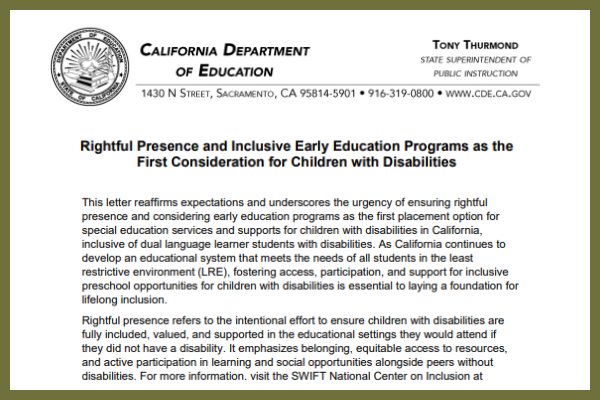
This letter from California Department of Education (CDE) is in support of rightful presence it is the deliberate commitment to ensuring that children with disabilities are meaningfully included, respected, and supported within the educational environments they would naturally attend if they did not have a disability.
Belonging Boosts Kids Mental Health
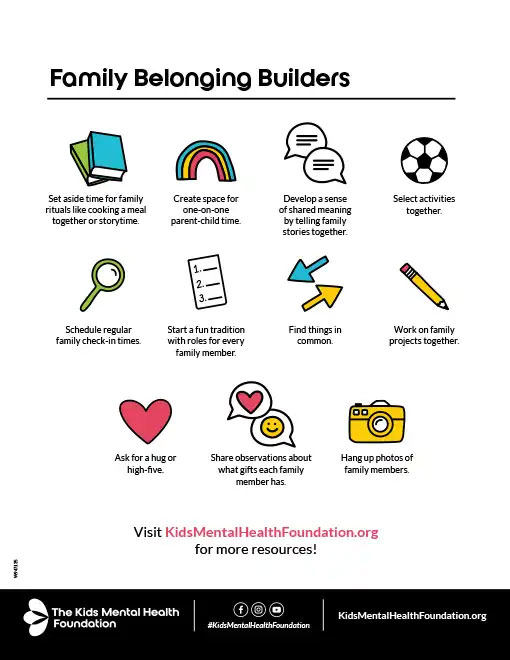
Humans are inherently social, so feeling a sense of belonging is a basic need. When children feel connected to their families, schools, neighborhoods, or other important groups, they benefit both mentally and physically.
Belonging Basics

A blend of professional development and podcast-style learning, Belonging Basics combines practical tools, engaging videos, and reflective activities. Designed for educators and caregivers working with children ages 2 through 3rd grade, it supports meaningful exploration of inclusion and belonging in early childhood settings. While not exhaustive, it offers a strong and thoughtful starting point.
Belonging: Creating Inclusive Learning Spaces (Video)
Jeffco Public Schools - Colorado3:44 minutes Length: 3:44 minutes
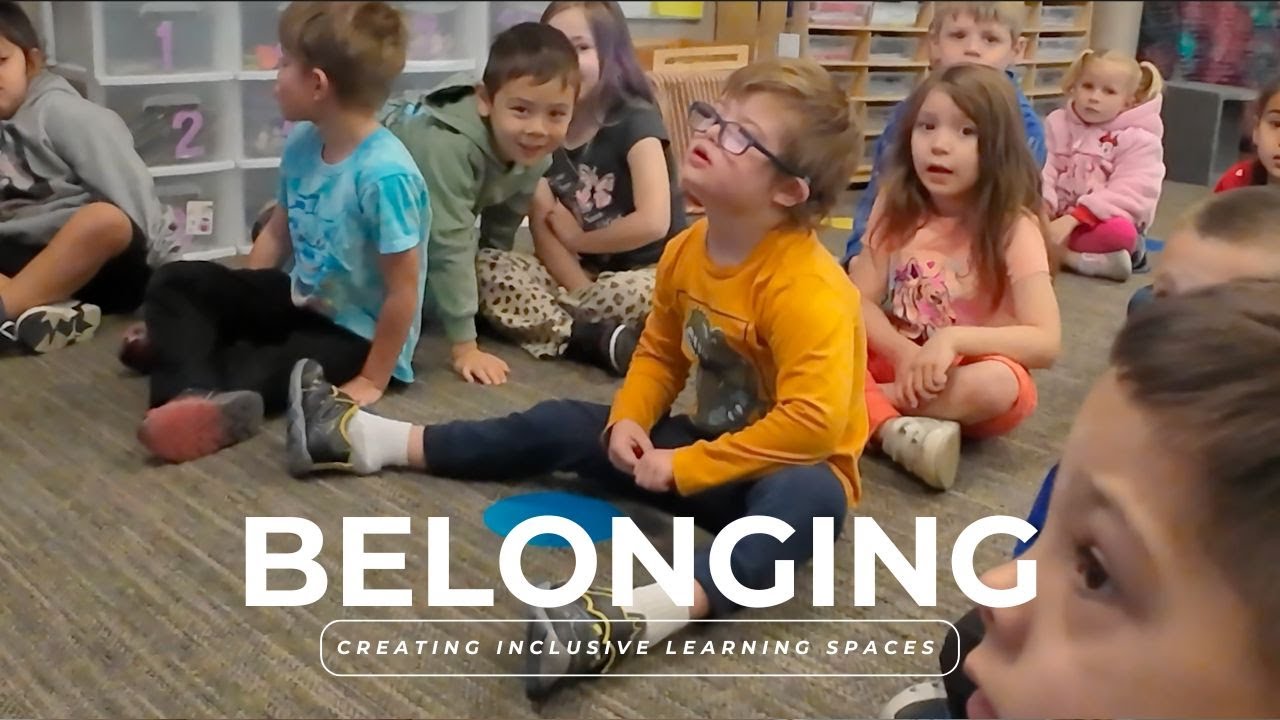
Belonging: Creating Inclusive Learning Spaces video showcases how Jeffco Public Schools intentionally cultivates inclusive educational environments that enable all students—particularly neurodivergent learners—to feel safe, accepted, and valued. Educators, administrators, and students describe how these supports not only accommodate diverse learning needs but also foster a deep sense of community and belonging, emphasizing that honoring individual differences and providing personalized support are essential to promoting student engagement, confidence, and success.
Building a Belonging Classroom (Video)
Edutopia4:17 minutes Length: 4:17 minutes
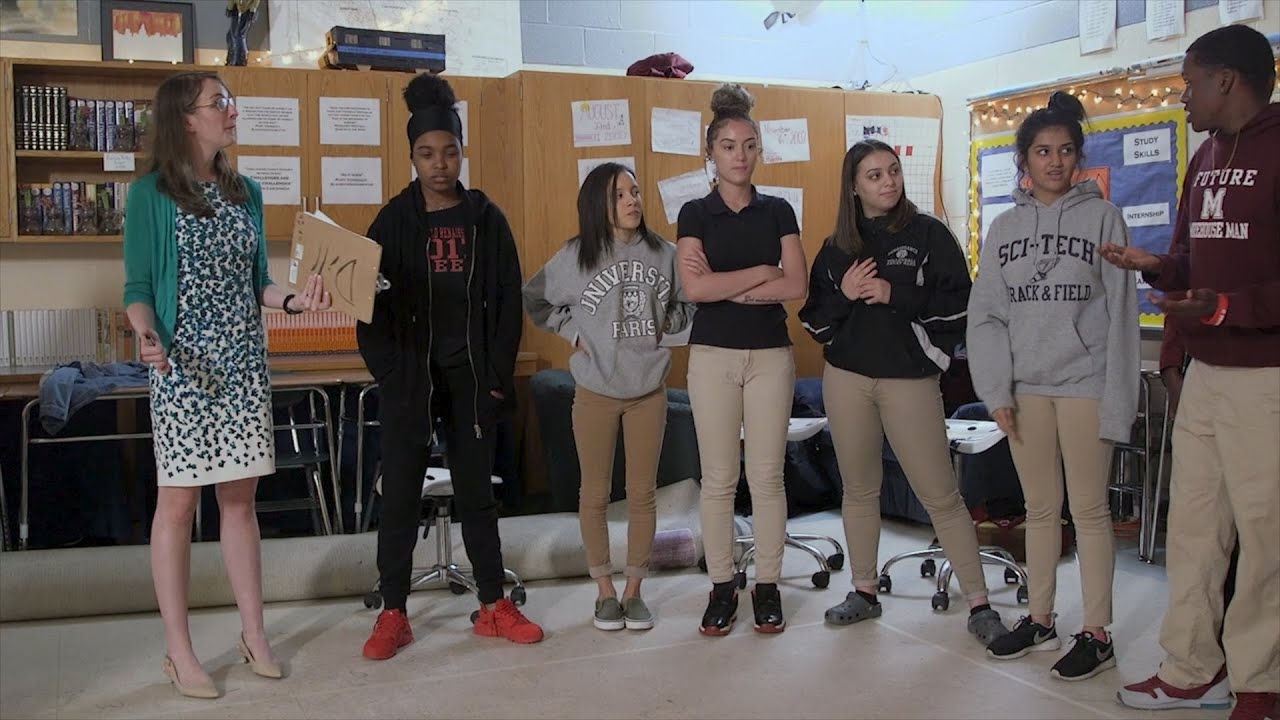
Building a Belonging Classroom emphasizes that students achieve better academic outcomes when they feel a strong sense of belonging in their learning environment. It highlights the importance of fostering positive relationships between teachers and students, as well as among peers, to create a supportive and inclusive classroom culture. By implementing simple strategies such as greeting students by name, encouraging collaboration, and valuing each student’s identity and voice, educators can promote engagement, motivation, and overall student success.
Fostering Belonging for Students with Disabilities (Video)
The PROGRESS Center8:22 minutes Length: 8:22 minutes
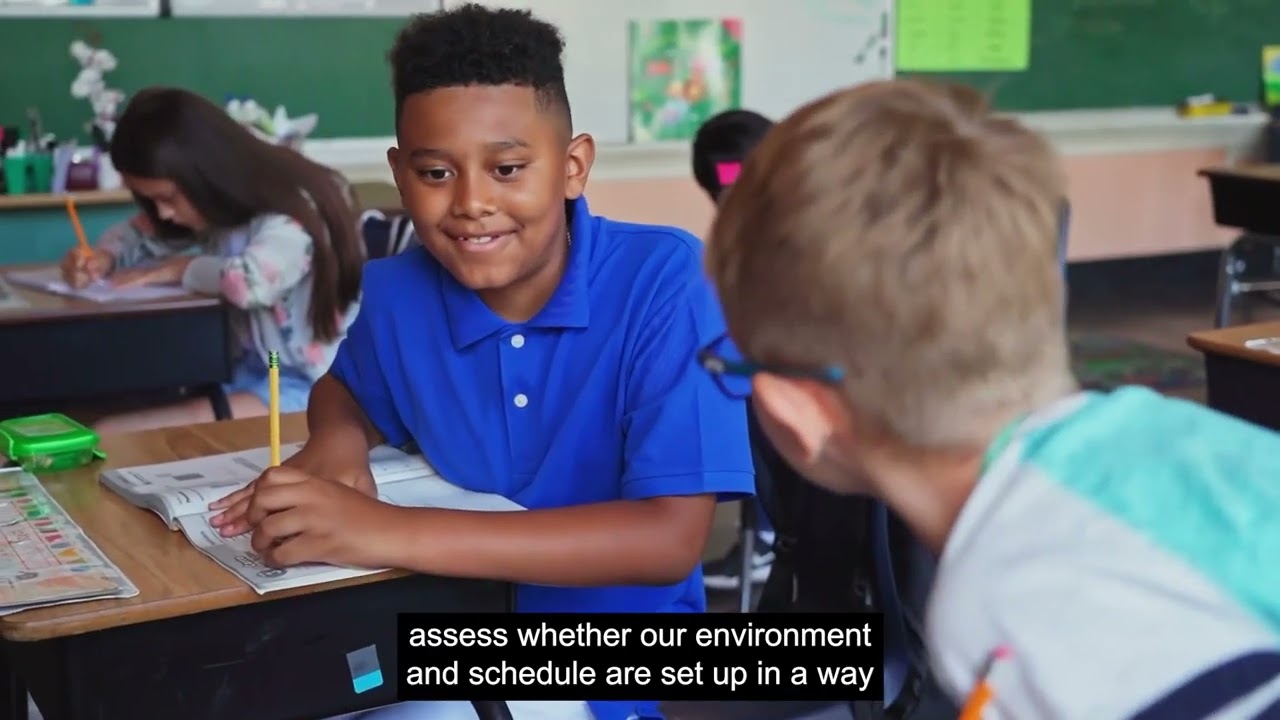
“Fostering Belonging for Students with Disabilities” highlights the critical distinction between inclusion and belonging within educational settings. While inclusion ensures that students with disabilities are physically present in general education environments, belonging focuses on their emotional and social integration as valued members of the classroom community.
How to Nurture a Sense of Belonging for Students with Disabilities
Edutopia

School should be an environment in which all individuals feel a sense of belonging. However, this has not consistently been the experience for students with disabilities, as the education system has historically been marked by exclusion and segregation of these individuals. Until relatively recently, there was little expectation that children with disabilities would or could attend public schools. The Individuals with Disabilities Education Act (IDEA) addressed this inequity by requiring that students with disabilities are entitled to a free appropriate public education, delivered alongside their peers in general education settings or in the least restrictive environment to the maximum extent appropriate. Despite these legal mandates, achieving this standard in practice remains challenging.
Why Inclusion Matters on the Playground (Video)
Edutopia4:48 minutes Length: 4:48 minutes
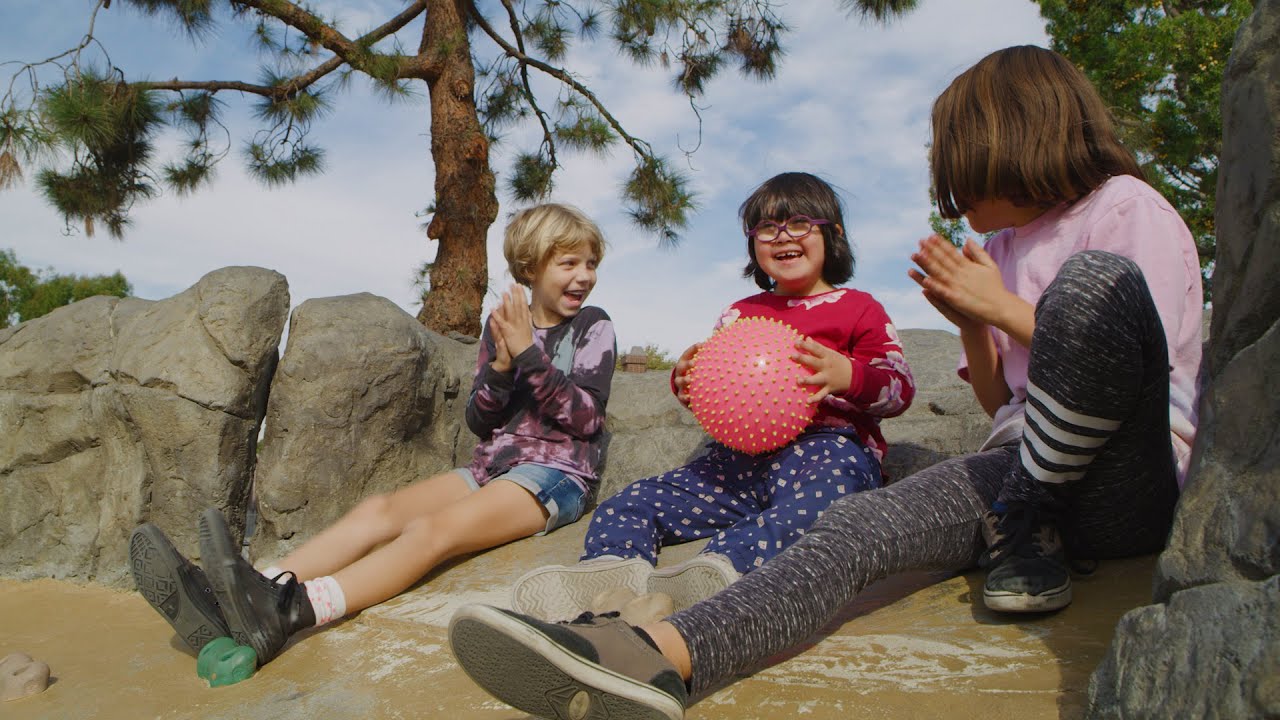
Why Inclusion Matters on the Playground shows the critical importance of inclusive play in educational settings, highlighting how playground interactions serve as vital opportunities for social and emotional learning. By integrating children of all abilities, including those with disabilities, schools can foster empathy, understanding, and meaningful peer relationships. Programs such as Inclusion Matters by Shane’s Inspiration demonstrate how structured inclusion initiatives — combining classroom discussions with guided play experiences — help reduce stereotypes and promote mutual respect. The video underscores that inclusive play not only strengthens friendships but also cultivates an environment in which all students are seen and valued equally, reinforcing the broader educational goal of equity and social cohesion.
Accessible Playgrounds
accessibleplayground.net
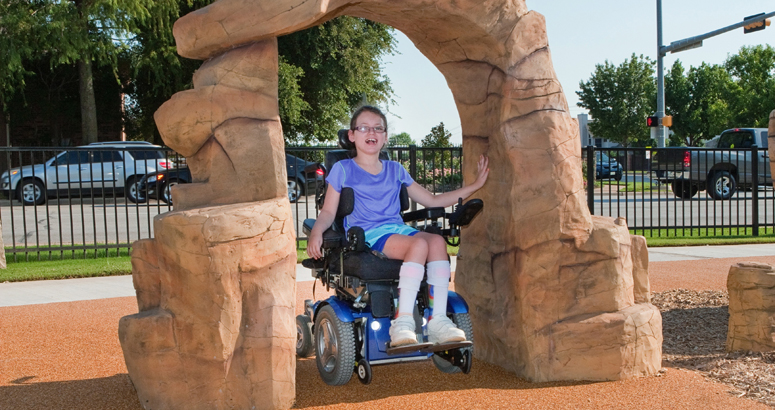
This website is designed to help families, communities, and educators easily discover inclusive playgrounds in California and around the world. Inclusive playgrounds are specially designed spaces where children of all abilities including those with physical, sensory, or developmental disabilities can play together in a safe and welcoming environment.
These playgrounds often include features such as wheelchair-accessible ramps, adaptive swings, sensory play equipment, and barrier-free surfaces so that every child can participate and interact with others. By organizing playgrounds by city in California and by locations worldwide, this website makes it easier to find places where all children and families can enjoy play, build friendships, and feel included in their communities.
TIES Center
TIES brings together recognized experts in inclusive education to provide evidence-based resources, tools, curricula, and reports so students with disabilities, including those with extensive support needs, can learn in classrooms with their non-disabled peers.
Ten Dimensions of Belonging
University of Minnesota, TIES Center
It’s simple to say that belonging matters, but much more difficult to clearly define it. What does genuine belonging actually look like for students with disabilities in inclusive school settings? Both research and real-world practice offer important insights into what fosters a sense of belonging. By examining existing literature and carrying out numerous studies on inclusive education, research has identified ten key dimensions of belonging for students with significant cognitive disabilities.
This activity is administered by WestEd and is sponsored by the California Department of Social Services, Child Care and Development Division.