Social and Emotional Learning is for Everyone!
Winter 2026 (January)
Healthy Social-emotional development is essential at every stage of life—from infancy through adulthood. Building strong social skills and emotional awareness provides a solid foundation for learning, communication, and meaningful relationships. When key elements of this development are missing, challenges can arise that affect success in friendships, education, and daily life and can often manifest in challenging behavior.
The links below offer definitions, strategies, and resources to support growth in these areas across all age groups. There are tools that highlight the importance of nurturing social and emotional development for both children and adults.
The Teaching Pyramid resources on the MAP website offer valuable guidance for teaching, practicing, and reinforcing social-emotional skills at school and at home. These resources include lessons, visuals, and stories to help children grow and thrive.
The California Making Access Possible (MAP), funded by the California Department of Social Services, offers more posts on Social Emotional Learning (SEL) under the Social-Emotional & Behavior Resources.
What Is Social and Emotional Learning ?

Social and Emotional Learning (SEL) is a term for the way children acquire social and emotional skills. It includes things like managing difficult emotions, making responsible decisions, handling stress, setting goals, and building healthy relationships.
Ten Dimensions of Belonging
It’s simple to say that belonging matters, but much more difficult to clearly define it. What does genuine belonging actually look like for students with disabilities in inclusive school settings? Both research and real-world practice offer important insights into what fosters a sense of belonging. By examining existing literature and carrying out numerous studies on inclusive education, research has identified ten key dimensions of belonging for students with significant cognitive disabilities.
Why Inclusion Matters on the Playground
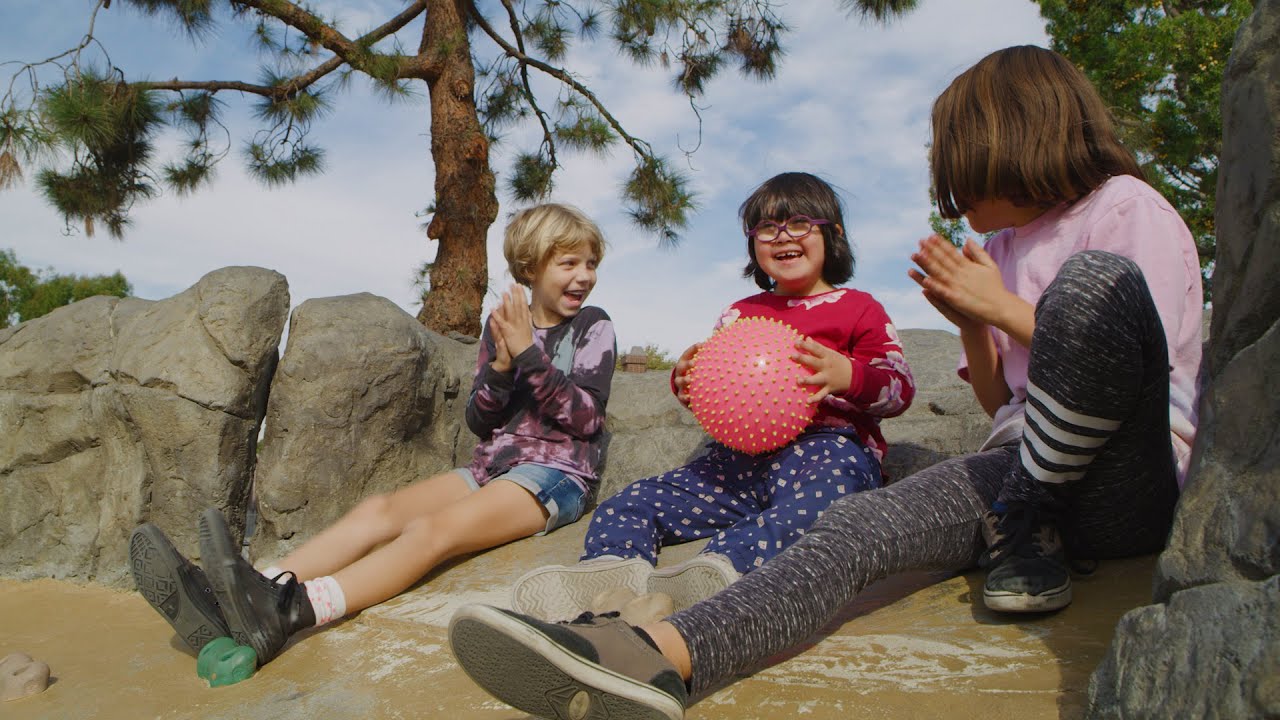
Why Inclusion Matters on the Playground shows the critical importance of inclusive play in educational settings, highlighting how playground interactions serve as vital opportunities for social and emotional learning. By integrating children of all abilities, including those with disabilities, schools can foster empathy, understanding, and meaningful peer relationships. Programs such as Inclusion Matters by Shane’s Inspiration demonstrate how structured inclusion initiatives — combining classroom discussions with guided play experiences — help reduce stereotypes and promote mutual respect. The video underscores that inclusive play not only strengthens friendships but also cultivates an environment in which all students are seen and valued equally, reinforcing the broader educational goal of equity and social cohesion.
How to Nurture a Sense of Belonging for Students with Disabilities
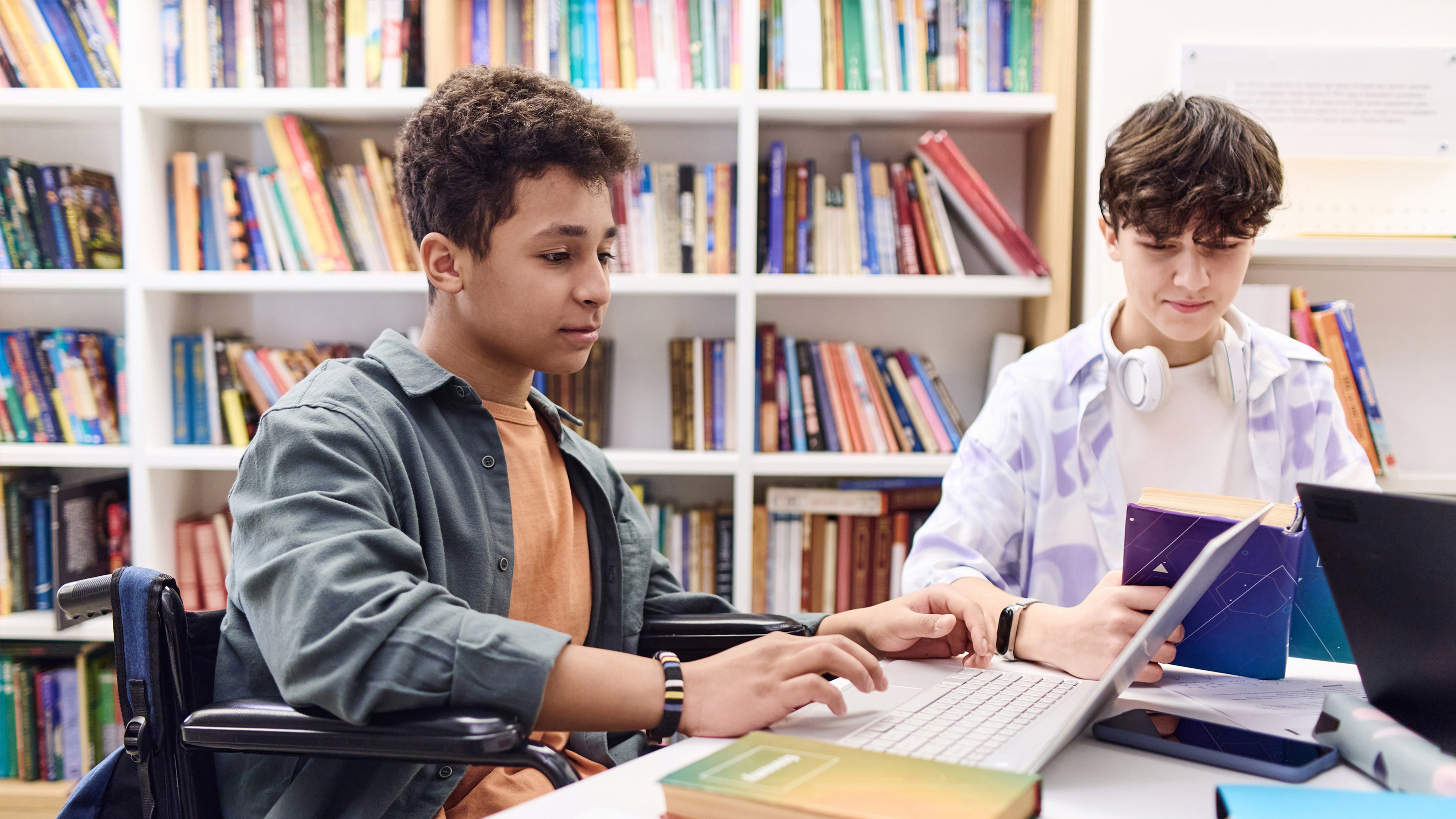
School should be an environment in which all individuals feel a sense of belonging. However, this has not consistently been the experience for students with disabilities, as the education system has historically been marked by exclusion and segregation of these individuals. Until relatively recently, there was little expectation that children with disabilities would or could attend public schools. The Individuals with Disabilities Education Act (IDEA) addressed this inequity by requiring that students with disabilities are entitled to a free appropriate public education, delivered alongside their peers in general education settings or in the least restrictive environment to the maximum extent appropriate. Despite these legal mandates, achieving this standard in practice remains challenging.
Fostering Belonging for Students with Disabilities
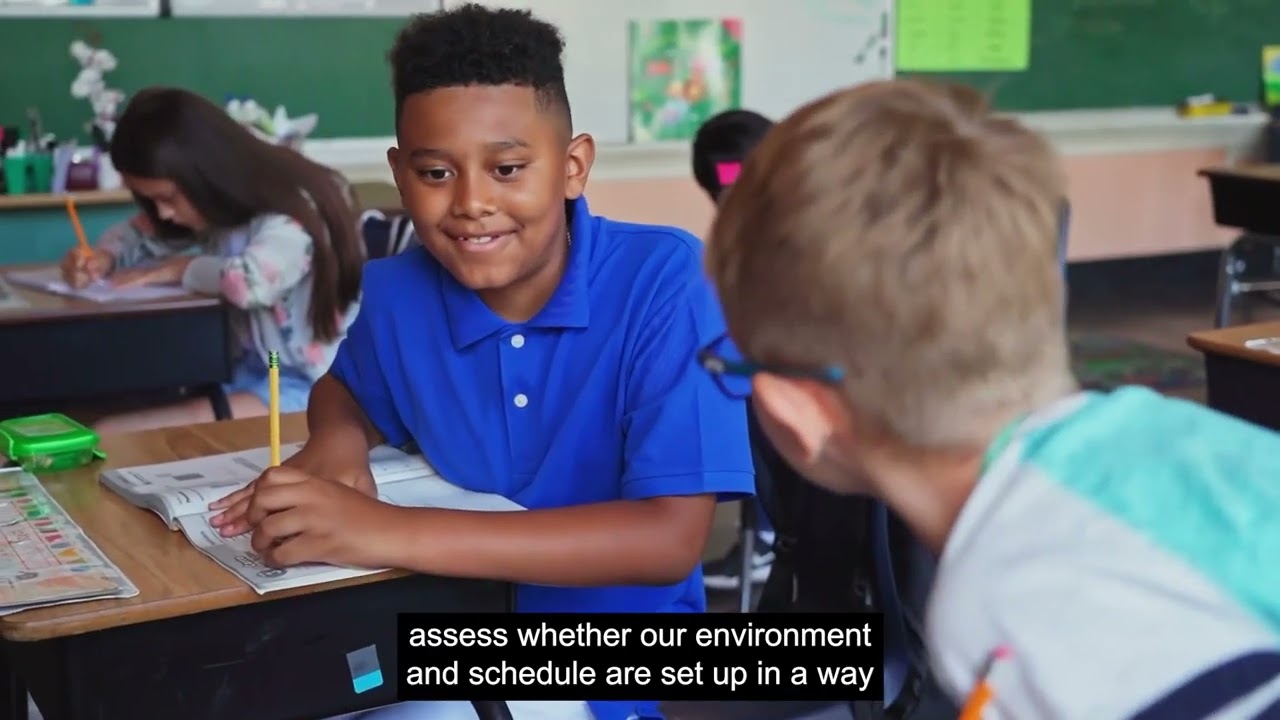
“Fostering Belonging for Students with Disabilities” highlights the critical distinction between inclusion and belonging within educational settings. While inclusion ensures that students with disabilities are physically present in general education environments, belonging focuses on their emotional and social integration as valued members of the classroom community.
Building a Belonging Classroom
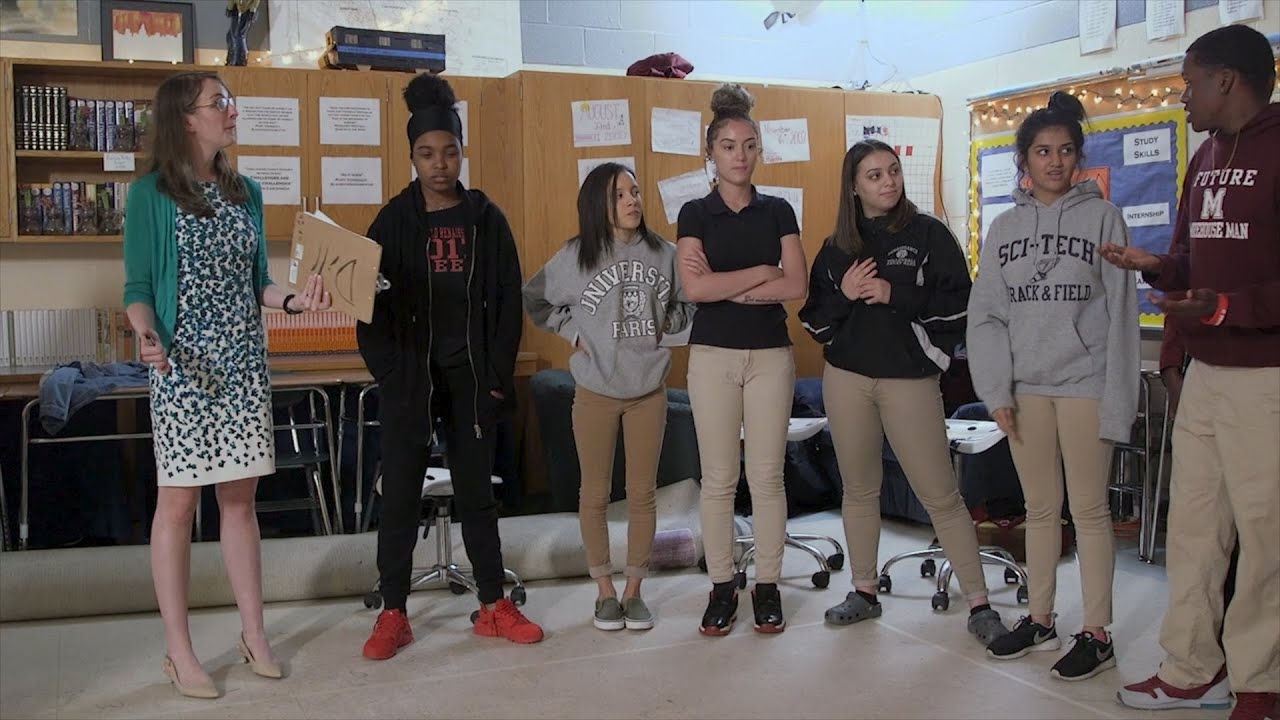
Building a Belonging Classroom emphasizes that students achieve better academic outcomes when they feel a strong sense of belonging in their learning environment. It highlights the importance of fostering positive relationships between teachers and students, as well as among peers, to create a supportive and inclusive classroom culture. By implementing simple strategies such as greeting students by name, encouraging collaboration, and valuing each student’s identity and voice, educators can promote engagement, motivation, and overall student success.
Belonging: Creating Inclusive Learning Spaces
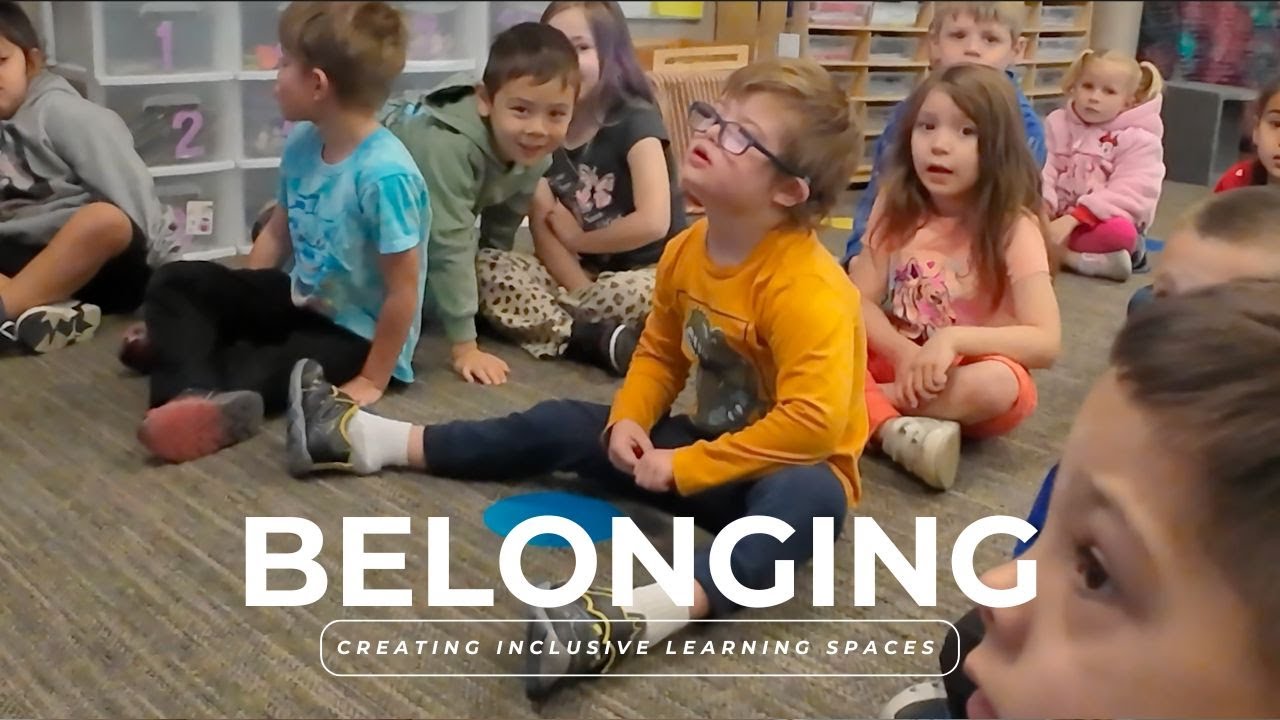
Belonging: Creating Inclusive Learning Spaces video showcases how Jeffco Public Schools intentionally cultivates inclusive educational environments that enable all students—particularly neurodivergent learners—to feel safe, accepted, and valued. Educators, administrators, and students describe how these supports not only accommodate diverse learning needs but also foster a deep sense of community and belonging, emphasizing that honoring individual differences and providing personalized support are essential to promoting student engagement, confidence, and success.
Belonging Boosts Kids Mental Health
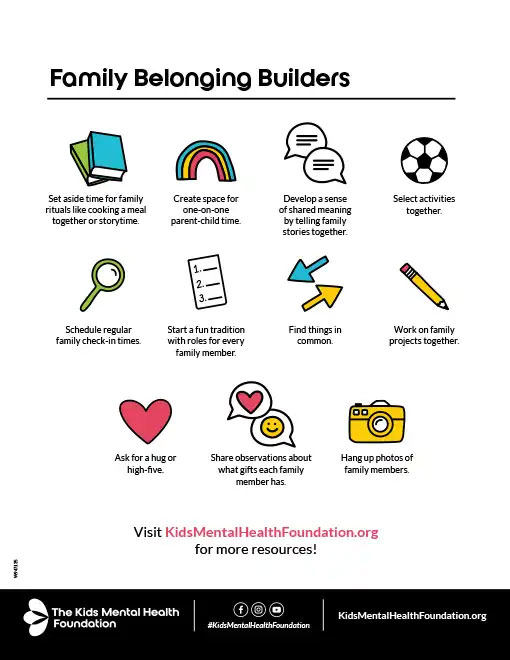
Humans are inherently social, so feeling a sense of belonging is a basic need. When children feel connected to their families, schools, neighborhoods, or other important groups, they benefit both mentally and physically.
Perspectives on Childhood Disability
Educators, administrators, and students recognize that tailored supports do more than accommodate diverse learning needs—they cultivate a strong sense of community and belonging. By honoring individual differences and providing personalized assistance, these practices enhance student engagement, build confidence, and promote academic and personal success.
California Framework for Infant-Toddler Learning and Development
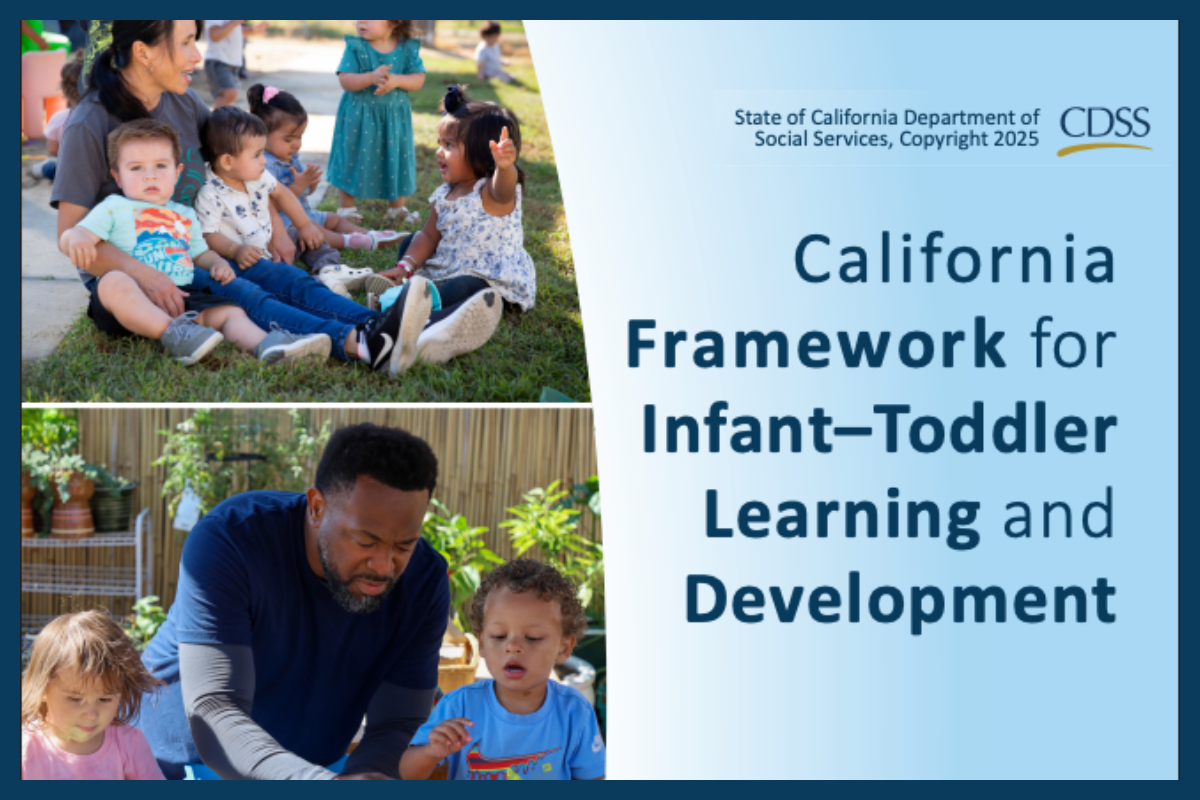
The California Framework for Infant–Toddler Learning and Development (IT Framework), which replaces the California Infant-Toddler Curriculum Framework, provides guidance on planning relationships and interactions, routines, and environment and materials to support the learning and development of infants and toddlers.
Social-Emotional Learning for Adults: Self-Awareness and Self-Management

According to the Collaborative for Academic, Social, and Emotional, Learning (CASEL), social-emotional learning (SEL) is “the process through which children and adults understand and manage emotions, set and achieve positive goals, feel and show empathy for others, establish and maintain positive relationships, and make responsible decisions.”
CalHope: Social Emotional Learning Modules

The CalHOPE Social Emotional Learning (SEL) Community of Practice is helping enable California’s schools to be leaders in supporting proactive and early intervention as we collectively respond to the social, emotional, and mental health needs of students, families, and educators.
PBS for Parents: Helping Toddlers Understand Their Emotions

A critical first step in helping your child learn to cope with their feelings is not to fear those feelings, but to embrace them—all of them. Feelings aren’t right or wrong, they simply are. Sadness and joy, anger and love, can co-exist and are all part of the wide range of emotions children experience. When you help your child understand their feelings, they become better equipped to manage them effectively.
PBS for Teachers: Social And Emotional Development

Resources in Social and Emotional Development from the Public Broadcasting Service (PBS) Learning Media encourage children to develop positive peer and adult interactions and to manage self-expression and feelings. Many of our favorite characters, such as Daniel Tiger and Super Why, teach lessons on confronting our fears, working together as a team, and welcoming a new member to a family. Kindness is explored in a lesson that also challenges a student’s artistic expression by making a Kindness Tree. An interactive activity can be used to encourage and teach appropriate social behaviors. Social problem solving, self-awareness, and empathy are also explored.
Social Emotional Development Guides (PDF)
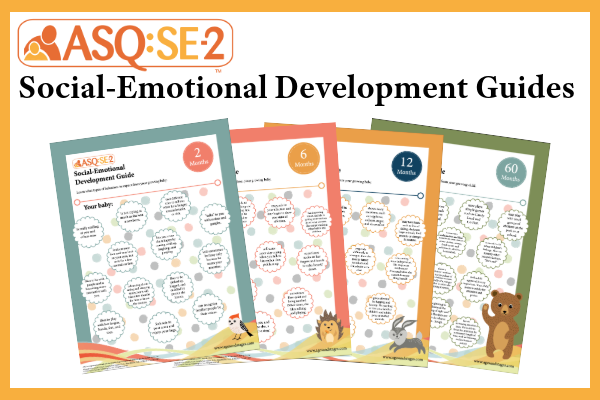
From the makers of the Ages and Stages Questionnaires, use these guides to learn what types of behaviors to expect from your growing child.
Why Social Emotional Learning is Important in Preschool

Social-Emotional Learning (SEL) has become a fundamental component of preschool education, recognized for its vital role in children’s early development. As young learners navigate their formative years, SEL not only enhances their emotional intelligence but also lays the groundwork for their future academic and social success. In this article, we explore why SEL is indispensable in preschool settings and how it contributes to various aspects of children’s growth.
24-36 Months: Social and Emotional Development

Early support in areas like empathy, emotional regulation, and cooperation fosters resilience, mental well-being, and future academic success, setting the stage for positive lifelong outcomes.
Birth to 12 Months: Social-Emotional Development

Social-emotional development is vital for infants and toddlers as it helps them build healthy relationships, manage emotions, and develop social skills. Early support in areas like empathy, emotional regulation, and cooperation fosters resilience, mental well-being, and future academic success, setting the stage for positive lifelong outcomes.
What Is Social and Emotional Learning?
Social and Emotional Learning (SEL) is a term for the way children acquire social and emotional skills. It includes things like managing difficult emotions, making responsible decisions, handling stress, setting goals, and building healthy relationships.
SELPA Administrators of California (California Special Education Local Plan Area Administrators) are Celebrating the IDEA 50th Anniversary All Year Long!
In 1977, all school districts and county school offices in California were required to form geographical regions of sufficient size and scope to provide for all special education service needs of students residing within the region’s boundaries. Each region became known as a Special Education Local Plan Area, or SELPA. The SELPA Administrators of California is a statewide association made up of nearly all current and retired SELPA administrators.
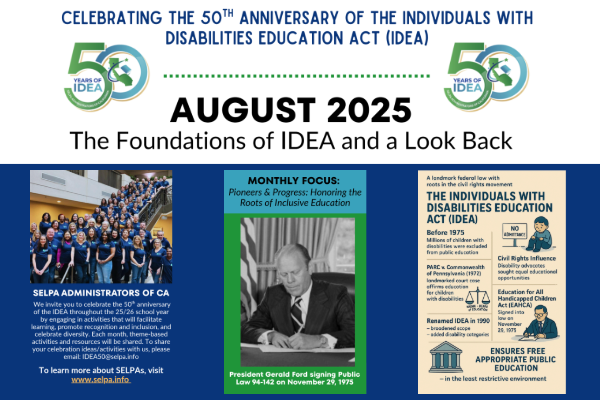
SELPA Administrators of California have planned a celebration of the 50th Anniversary of the Individuals with Disabilities Education Act throughout the 25/26 school year. Every month they invite you to participate in engaging activities that will facilitate learning, promote recognition and inclusion, and celebrate diversity.
Each month, theme-based activities and resources will be shared. You can access these monthly celebration activities through the SELPA of California Facebook.
Here is a sample:
- August 2025: The Foundations of IDEA and a Look Back (PDF)
- October 2025: Individual Education Programs (IEPs) & Student Voice (PDF)
- November 2025: Special Education Related Services & Support (PDF)
Beginning Together

Beginning Together conducts an annual series of webinars on inclusion and an annual intensive four-week Inclusion Facilitator Institute that provides training to small teams of early care and education coaches, teachers, child care providers, administrators and special educators. It offers the option of continuing on to become a certified Inclusion Facilitator. Find information on both of these opportunities for training in the link above.
Ten Dimensions of Belonging
It’s simple to say that belonging matters, but much more difficult to clearly define it. What does genuine belonging actually look like for students with disabilities in inclusive school settings? Both research and real-world practice offer important insights into what fosters a sense of belonging. By examining existing literature and carrying out numerous studies on inclusive education, research has identified ten key dimensions of belonging for students with significant cognitive disabilities.
Why Inclusion Matters on the Playground
Why Inclusion Matters on the Playground shows the critical importance of inclusive play in educational settings, highlighting how playground interactions serve as vital opportunities for social and emotional learning. By integrating children of all abilities, including those with disabilities, schools can foster empathy, understanding, and meaningful peer relationships. Programs such as Inclusion Matters by Shane’s Inspiration demonstrate how structured inclusion initiatives — combining classroom discussions with guided play experiences — help reduce stereotypes and promote mutual respect. The video underscores that inclusive play not only strengthens friendships but also cultivates an environment in which all students are seen and valued equally, reinforcing the broader educational goal of equity and social cohesion.
How to Nurture a Sense of Belonging for Students with Disabilities
School should be an environment in which all individuals feel a sense of belonging. However, this has not consistently been the experience for students with disabilities, as the education system has historically been marked by exclusion and segregation of these individuals. Until relatively recently, there was little expectation that children with disabilities would or could attend public schools. The Individuals with Disabilities Education Act (IDEA) addressed this inequity by requiring that students with disabilities are entitled to a free appropriate public education, delivered alongside their peers in general education settings or in the least restrictive environment to the maximum extent appropriate. Despite these legal mandates, achieving this standard in practice remains challenging.
Fostering Belonging for Students with Disabilities
“Fostering Belonging for Students with Disabilities” highlights the critical distinction between inclusion and belonging within educational settings. While inclusion ensures that students with disabilities are physically present in general education environments, belonging focuses on their emotional and social integration as valued members of the classroom community.
Building a Belonging Classroom
Building a Belonging Classroom emphasizes that students achieve better academic outcomes when they feel a strong sense of belonging in their learning environment. It highlights the importance of fostering positive relationships between teachers and students, as well as among peers, to create a supportive and inclusive classroom culture. By implementing simple strategies such as greeting students by name, encouraging collaboration, and valuing each student’s identity and voice, educators can promote engagement, motivation, and overall student success.
Belonging: Creating Inclusive Learning Spaces
Belonging: Creating Inclusive Learning Spaces video showcases how Jeffco Public Schools intentionally cultivates inclusive educational environments that enable all students—particularly neurodivergent learners—to feel safe, accepted, and valued. Educators, administrators, and students describe how these supports not only accommodate diverse learning needs but also foster a deep sense of community and belonging, emphasizing that honoring individual differences and providing personalized support are essential to promoting student engagement, confidence, and success.
Belonging Boosts Kids Mental Health
Humans are inherently social, so feeling a sense of belonging is a basic need. When children feel connected to their families, schools, neighborhoods, or other important groups, they benefit both mentally and physically.
Perspectives on Childhood Disability
Educators, administrators, and students recognize that tailored supports do more than accommodate diverse learning needs—they cultivate a strong sense of community and belonging. By honoring individual differences and providing personalized assistance, these practices enhance student engagement, build confidence, and promote academic and personal success.
California Framework for Infant-Toddler Learning and Development
The California Framework for Infant–Toddler Learning and Development (IT Framework), which replaces the California Infant-Toddler Curriculum Framework, provides guidance on planning relationships and interactions, routines, and environment and materials to support the learning and development of infants and toddlers.
Social-Emotional Learning for Adults: Self-Awareness and Self-Management
According to the Collaborative for Academic, Social, and Emotional, Learning (CASEL), social-emotional learning (SEL) is “the process through which children and adults understand and manage emotions, set and achieve positive goals, feel and show empathy for others, establish and maintain positive relationships, and make responsible decisions.”
CalHope: Social Emotional Learning Modules
The CalHOPE Social Emotional Learning (SEL) Community of Practice is helping enable California’s schools to be leaders in supporting proactive and early intervention as we collectively respond to the social, emotional, and mental health needs of students, families, and educators.
PBS for Parents: Helping Toddlers Understand Their Emotions
A critical first step in helping your child learn to cope with their feelings is not to fear those feelings, but to embrace them—all of them. Feelings aren’t right or wrong, they simply are. Sadness and joy, anger and love, can co-exist and are all part of the wide range of emotions children experience. When you help your child understand their feelings, they become better equipped to manage them effectively.
PBS for Teachers: Social And Emotional Development
Resources in Social and Emotional Development from the Public Broadcasting Service (PBS) Learning Media encourage children to develop positive peer and adult interactions and to manage self-expression and feelings. Many of our favorite characters, such as Daniel Tiger and Super Why, teach lessons on confronting our fears, working together as a team, and welcoming a new member to a family. Kindness is explored in a lesson that also challenges a student’s artistic expression by making a Kindness Tree. An interactive activity can be used to encourage and teach appropriate social behaviors. Social problem solving, self-awareness, and empathy are also explored.
Social Emotional Development Guides (PDF)
From the makers of the Ages and Stages Questionnaires, use these guides to learn what types of behaviors to expect from your growing child.
Why Social Emotional Learning is Important in Preschool
Social-Emotional Learning (SEL) has become a fundamental component of preschool education, recognized for its vital role in children’s early development. As young learners navigate their formative years, SEL not only enhances their emotional intelligence but also lays the groundwork for their future academic and social success. In this article, we explore why SEL is indispensable in preschool settings and how it contributes to various aspects of children’s growth.
24-36 Months: Social and Emotional Development
Early support in areas like empathy, emotional regulation, and cooperation fosters resilience, mental well-being, and future academic success, setting the stage for positive lifelong outcomes.
Birth to 12 Months: Social-Emotional Development
Social-emotional development is vital for infants and toddlers as it helps them build healthy relationships, manage emotions, and develop social skills. Early support in areas like empathy, emotional regulation, and cooperation fosters resilience, mental well-being, and future academic success, setting the stage for positive lifelong outcomes.
What Is Social and Emotional Learning?
Social and Emotional Learning (SEL) is a term for the way children acquire social and emotional skills. It includes things like managing difficult emotions, making responsible decisions, handling stress, setting goals, and building healthy relationships.
SELPA Administrators of California (California Special Education Local Plan Area Administrators) are Celebrating the IDEA 50th Anniversary All Year Long!
In 1977, all school districts and county school offices in California were required to form geographical regions of sufficient size and scope to provide for all special education service needs of students residing within the region’s boundaries. Each region became known as a Special Education Local Plan Area, or SELPA. The SELPA Administrators of California is a statewide association made up of nearly all current and retired SELPA administrators.
SELPA Administrators of California have planned a celebration of the 50th Anniversary of the Individuals with Disabilities Education Act throughout the 25/26 school year. Every month they invite you to participate in engaging activities that will facilitate learning, promote recognition and inclusion, and celebrate diversity.
Each month, theme-based activities and resources will be shared. You can access these monthly celebration activities through the SELPA of California Facebook.
Here is a sample:
- August 2025: The Foundations of IDEA and a Look Back (PDF)
- October 2025: Individual Education Programs (IEPs) & Student Voice (PDF)
- November 2025: Special Education Related Services & Support (PDF)
Beginning Together
Beginning Together conducts an annual series of webinars on inclusion and an annual intensive four-week Inclusion Facilitator Institute that provides training to small teams of early care and education coaches, teachers, child care providers, administrators and special educators. It offers the option of continuing on to become a certified Inclusion Facilitator. Find information on both of these opportunities for training in the link above.
Why Social Emotional Learning is Important in Preschool
Social-Emotional Learning (SEL) has become a fundamental component of preschool education, recognized for its vital role in children’s early development. As young learners navigate their formative years, SEL not only enhances their emotional intelligence but also lays the groundwork for their future academic and social success. In this article, we explore why SEL is indispensable in preschool settings and how it contributes to various aspects of children’s growth.
Social-Emotional Development Guides (PDF)
From the makers of the Ages and Stages Questionnaires, use these guides to learn what types of behaviors to expect from your growing child.
Social Emotional Development
Ten Dimensions of Belonging
It’s simple to say that belonging matters, but much more difficult to clearly define it. What does genuine belonging actually look like for students with disabilities in inclusive school settings? Both research and real-world practice offer important insights into what fosters a sense of belonging. By examining existing literature and carrying out numerous studies on inclusive education, research has identified ten key dimensions of belonging for students with significant cognitive disabilities.
Why Inclusion Matters on the Playground
Why Inclusion Matters on the Playground shows the critical importance of inclusive play in educational settings, highlighting how playground interactions serve as vital opportunities for social and emotional learning. By integrating children of all abilities, including those with disabilities, schools can foster empathy, understanding, and meaningful peer relationships. Programs such as Inclusion Matters by Shane’s Inspiration demonstrate how structured inclusion initiatives — combining classroom discussions with guided play experiences — help reduce stereotypes and promote mutual respect. The video underscores that inclusive play not only strengthens friendships but also cultivates an environment in which all students are seen and valued equally, reinforcing the broader educational goal of equity and social cohesion.
How to Nurture a Sense of Belonging for Students with Disabilities
School should be an environment in which all individuals feel a sense of belonging. However, this has not consistently been the experience for students with disabilities, as the education system has historically been marked by exclusion and segregation of these individuals. Until relatively recently, there was little expectation that children with disabilities would or could attend public schools. The Individuals with Disabilities Education Act (IDEA) addressed this inequity by requiring that students with disabilities are entitled to a free appropriate public education, delivered alongside their peers in general education settings or in the least restrictive environment to the maximum extent appropriate. Despite these legal mandates, achieving this standard in practice remains challenging.
Fostering Belonging for Students with Disabilities
“Fostering Belonging for Students with Disabilities” highlights the critical distinction between inclusion and belonging within educational settings. While inclusion ensures that students with disabilities are physically present in general education environments, belonging focuses on their emotional and social integration as valued members of the classroom community.
Building a Belonging Classroom
Building a Belonging Classroom emphasizes that students achieve better academic outcomes when they feel a strong sense of belonging in their learning environment. It highlights the importance of fostering positive relationships between teachers and students, as well as among peers, to create a supportive and inclusive classroom culture. By implementing simple strategies such as greeting students by name, encouraging collaboration, and valuing each student’s identity and voice, educators can promote engagement, motivation, and overall student success.
Belonging: Creating Inclusive Learning Spaces
Belonging: Creating Inclusive Learning Spaces video showcases how Jeffco Public Schools intentionally cultivates inclusive educational environments that enable all students—particularly neurodivergent learners—to feel safe, accepted, and valued. Educators, administrators, and students describe how these supports not only accommodate diverse learning needs but also foster a deep sense of community and belonging, emphasizing that honoring individual differences and providing personalized support are essential to promoting student engagement, confidence, and success.
Belonging Boosts Kids Mental Health
Humans are inherently social, so feeling a sense of belonging is a basic need. When children feel connected to their families, schools, neighborhoods, or other important groups, they benefit both mentally and physically.
Perspectives on Childhood Disability
Educators, administrators, and students recognize that tailored supports do more than accommodate diverse learning needs—they cultivate a strong sense of community and belonging. By honoring individual differences and providing personalized assistance, these practices enhance student engagement, build confidence, and promote academic and personal success.
California Framework for Infant-Toddler Learning and Development
The California Framework for Infant–Toddler Learning and Development (IT Framework), which replaces the California Infant-Toddler Curriculum Framework, provides guidance on planning relationships and interactions, routines, and environment and materials to support the learning and development of infants and toddlers.
Social-Emotional Learning for Adults: Self-Awareness and Self-Management
According to the Collaborative for Academic, Social, and Emotional, Learning (CASEL), social-emotional learning (SEL) is “the process through which children and adults understand and manage emotions, set and achieve positive goals, feel and show empathy for others, establish and maintain positive relationships, and make responsible decisions.”
CalHope: Social Emotional Learning Modules
The CalHOPE Social Emotional Learning (SEL) Community of Practice is helping enable California’s schools to be leaders in supporting proactive and early intervention as we collectively respond to the social, emotional, and mental health needs of students, families, and educators.
PBS for Parents: Helping Toddlers Understand Their Emotions
A critical first step in helping your child learn to cope with their feelings is not to fear those feelings, but to embrace them—all of them. Feelings aren’t right or wrong, they simply are. Sadness and joy, anger and love, can co-exist and are all part of the wide range of emotions children experience. When you help your child understand their feelings, they become better equipped to manage them effectively.
PBS for Teachers: Social And Emotional Development
Resources in Social and Emotional Development from the Public Broadcasting Service (PBS) Learning Media encourage children to develop positive peer and adult interactions and to manage self-expression and feelings. Many of our favorite characters, such as Daniel Tiger and Super Why, teach lessons on confronting our fears, working together as a team, and welcoming a new member to a family. Kindness is explored in a lesson that also challenges a student’s artistic expression by making a Kindness Tree. An interactive activity can be used to encourage and teach appropriate social behaviors. Social problem solving, self-awareness, and empathy are also explored.
Social Emotional Development Guides (PDF)
From the makers of the Ages and Stages Questionnaires, use these guides to learn what types of behaviors to expect from your growing child.
Why Social Emotional Learning is Important in Preschool
Social-Emotional Learning (SEL) has become a fundamental component of preschool education, recognized for its vital role in children’s early development. As young learners navigate their formative years, SEL not only enhances their emotional intelligence but also lays the groundwork for their future academic and social success. In this article, we explore why SEL is indispensable in preschool settings and how it contributes to various aspects of children’s growth.
24-36 Months: Social and Emotional Development
Early support in areas like empathy, emotional regulation, and cooperation fosters resilience, mental well-being, and future academic success, setting the stage for positive lifelong outcomes.
Birth to 12 Months: Social-Emotional Development
Social-emotional development is vital for infants and toddlers as it helps them build healthy relationships, manage emotions, and develop social skills. Early support in areas like empathy, emotional regulation, and cooperation fosters resilience, mental well-being, and future academic success, setting the stage for positive lifelong outcomes.
What Is Social and Emotional Learning?
Social and Emotional Learning (SEL) is a term for the way children acquire social and emotional skills. It includes things like managing difficult emotions, making responsible decisions, handling stress, setting goals, and building healthy relationships.
SELPA Administrators of California (California Special Education Local Plan Area Administrators) are Celebrating the IDEA 50th Anniversary All Year Long!
In 1977, all school districts and county school offices in California were required to form geographical regions of sufficient size and scope to provide for all special education service needs of students residing within the region’s boundaries. Each region became known as a Special Education Local Plan Area, or SELPA. The SELPA Administrators of California is a statewide association made up of nearly all current and retired SELPA administrators.
SELPA Administrators of California have planned a celebration of the 50th Anniversary of the Individuals with Disabilities Education Act throughout the 25/26 school year. Every month they invite you to participate in engaging activities that will facilitate learning, promote recognition and inclusion, and celebrate diversity.
Each month, theme-based activities and resources will be shared. You can access these monthly celebration activities through the SELPA of California Facebook.
Here is a sample:
- August 2025: The Foundations of IDEA and a Look Back (PDF)
- October 2025: Individual Education Programs (IEPs) & Student Voice (PDF)
- November 2025: Special Education Related Services & Support (PDF)
Beginning Together
Beginning Together conducts an annual series of webinars on inclusion and an annual intensive four-week Inclusion Facilitator Institute that provides training to small teams of early care and education coaches, teachers, child care providers, administrators and special educators. It offers the option of continuing on to become a certified Inclusion Facilitator. Find information on both of these opportunities for training in the link above.
Ten Dimensions of Belonging
It’s simple to say that belonging matters, but much more difficult to clearly define it. What does genuine belonging actually look like for students with disabilities in inclusive school settings? Both research and real-world practice offer important insights into what fosters a sense of belonging. By examining existing literature and carrying out numerous studies on inclusive education, research has identified ten key dimensions of belonging for students with significant cognitive disabilities.
Why Inclusion Matters on the Playground
Why Inclusion Matters on the Playground shows the critical importance of inclusive play in educational settings, highlighting how playground interactions serve as vital opportunities for social and emotional learning. By integrating children of all abilities, including those with disabilities, schools can foster empathy, understanding, and meaningful peer relationships. Programs such as Inclusion Matters by Shane’s Inspiration demonstrate how structured inclusion initiatives — combining classroom discussions with guided play experiences — help reduce stereotypes and promote mutual respect. The video underscores that inclusive play not only strengthens friendships but also cultivates an environment in which all students are seen and valued equally, reinforcing the broader educational goal of equity and social cohesion.
How to Nurture a Sense of Belonging for Students with Disabilities
School should be an environment in which all individuals feel a sense of belonging. However, this has not consistently been the experience for students with disabilities, as the education system has historically been marked by exclusion and segregation of these individuals. Until relatively recently, there was little expectation that children with disabilities would or could attend public schools. The Individuals with Disabilities Education Act (IDEA) addressed this inequity by requiring that students with disabilities are entitled to a free appropriate public education, delivered alongside their peers in general education settings or in the least restrictive environment to the maximum extent appropriate. Despite these legal mandates, achieving this standard in practice remains challenging.
Fostering Belonging for Students with Disabilities
“Fostering Belonging for Students with Disabilities” highlights the critical distinction between inclusion and belonging within educational settings. While inclusion ensures that students with disabilities are physically present in general education environments, belonging focuses on their emotional and social integration as valued members of the classroom community.
Building a Belonging Classroom
Building a Belonging Classroom emphasizes that students achieve better academic outcomes when they feel a strong sense of belonging in their learning environment. It highlights the importance of fostering positive relationships between teachers and students, as well as among peers, to create a supportive and inclusive classroom culture. By implementing simple strategies such as greeting students by name, encouraging collaboration, and valuing each student’s identity and voice, educators can promote engagement, motivation, and overall student success.
Belonging: Creating Inclusive Learning Spaces
Belonging: Creating Inclusive Learning Spaces video showcases how Jeffco Public Schools intentionally cultivates inclusive educational environments that enable all students—particularly neurodivergent learners—to feel safe, accepted, and valued. Educators, administrators, and students describe how these supports not only accommodate diverse learning needs but also foster a deep sense of community and belonging, emphasizing that honoring individual differences and providing personalized support are essential to promoting student engagement, confidence, and success.
Belonging Boosts Kids Mental Health
Humans are inherently social, so feeling a sense of belonging is a basic need. When children feel connected to their families, schools, neighborhoods, or other important groups, they benefit both mentally and physically.
Perspectives on Childhood Disability
Educators, administrators, and students recognize that tailored supports do more than accommodate diverse learning needs—they cultivate a strong sense of community and belonging. By honoring individual differences and providing personalized assistance, these practices enhance student engagement, build confidence, and promote academic and personal success.
California Framework for Infant-Toddler Learning and Development
The California Framework for Infant–Toddler Learning and Development (IT Framework), which replaces the California Infant-Toddler Curriculum Framework, provides guidance on planning relationships and interactions, routines, and environment and materials to support the learning and development of infants and toddlers.
Social-Emotional Learning for Adults: Self-Awareness and Self-Management
According to the Collaborative for Academic, Social, and Emotional, Learning (CASEL), social-emotional learning (SEL) is “the process through which children and adults understand and manage emotions, set and achieve positive goals, feel and show empathy for others, establish and maintain positive relationships, and make responsible decisions.”
CalHope: Social Emotional Learning Modules
The CalHOPE Social Emotional Learning (SEL) Community of Practice is helping enable California’s schools to be leaders in supporting proactive and early intervention as we collectively respond to the social, emotional, and mental health needs of students, families, and educators.
PBS for Parents: Helping Toddlers Understand Their Emotions
A critical first step in helping your child learn to cope with their feelings is not to fear those feelings, but to embrace them—all of them. Feelings aren’t right or wrong, they simply are. Sadness and joy, anger and love, can co-exist and are all part of the wide range of emotions children experience. When you help your child understand their feelings, they become better equipped to manage them effectively.
PBS for Teachers: Social And Emotional Development
Resources in Social and Emotional Development from the Public Broadcasting Service (PBS) Learning Media encourage children to develop positive peer and adult interactions and to manage self-expression and feelings. Many of our favorite characters, such as Daniel Tiger and Super Why, teach lessons on confronting our fears, working together as a team, and welcoming a new member to a family. Kindness is explored in a lesson that also challenges a student’s artistic expression by making a Kindness Tree. An interactive activity can be used to encourage and teach appropriate social behaviors. Social problem solving, self-awareness, and empathy are also explored.
Social Emotional Development Guides (PDF)
From the makers of the Ages and Stages Questionnaires, use these guides to learn what types of behaviors to expect from your growing child.
Why Social Emotional Learning is Important in Preschool
Social-Emotional Learning (SEL) has become a fundamental component of preschool education, recognized for its vital role in children’s early development. As young learners navigate their formative years, SEL not only enhances their emotional intelligence but also lays the groundwork for their future academic and social success. In this article, we explore why SEL is indispensable in preschool settings and how it contributes to various aspects of children’s growth.
24-36 Months: Social and Emotional Development
Early support in areas like empathy, emotional regulation, and cooperation fosters resilience, mental well-being, and future academic success, setting the stage for positive lifelong outcomes.
Birth to 12 Months: Social-Emotional Development
Social-emotional development is vital for infants and toddlers as it helps them build healthy relationships, manage emotions, and develop social skills. Early support in areas like empathy, emotional regulation, and cooperation fosters resilience, mental well-being, and future academic success, setting the stage for positive lifelong outcomes.
What Is Social and Emotional Learning?
Social and Emotional Learning (SEL) is a term for the way children acquire social and emotional skills. It includes things like managing difficult emotions, making responsible decisions, handling stress, setting goals, and building healthy relationships.
SELPA Administrators of California (California Special Education Local Plan Area Administrators) are Celebrating the IDEA 50th Anniversary All Year Long!
In 1977, all school districts and county school offices in California were required to form geographical regions of sufficient size and scope to provide for all special education service needs of students residing within the region’s boundaries. Each region became known as a Special Education Local Plan Area, or SELPA. The SELPA Administrators of California is a statewide association made up of nearly all current and retired SELPA administrators.
SELPA Administrators of California have planned a celebration of the 50th Anniversary of the Individuals with Disabilities Education Act throughout the 25/26 school year. Every month they invite you to participate in engaging activities that will facilitate learning, promote recognition and inclusion, and celebrate diversity.
Each month, theme-based activities and resources will be shared. You can access these monthly celebration activities through the SELPA of California Facebook.
Here is a sample:
- August 2025: The Foundations of IDEA and a Look Back (PDF)
- October 2025: Individual Education Programs (IEPs) & Student Voice (PDF)
- November 2025: Special Education Related Services & Support (PDF)
Beginning Together
Beginning Together conducts an annual series of webinars on inclusion and an annual intensive four-week Inclusion Facilitator Institute that provides training to small teams of early care and education coaches, teachers, child care providers, administrators and special educators. It offers the option of continuing on to become a certified Inclusion Facilitator. Find information on both of these opportunities for training in the link above.
Ten Dimensions of Belonging
It’s simple to say that belonging matters, but much more difficult to clearly define it. What does genuine belonging actually look like for students with disabilities in inclusive school settings? Both research and real-world practice offer important insights into what fosters a sense of belonging. By examining existing literature and carrying out numerous studies on inclusive education, research has identified ten key dimensions of belonging for students with significant cognitive disabilities.
Why Inclusion Matters on the Playground
Why Inclusion Matters on the Playground shows the critical importance of inclusive play in educational settings, highlighting how playground interactions serve as vital opportunities for social and emotional learning. By integrating children of all abilities, including those with disabilities, schools can foster empathy, understanding, and meaningful peer relationships. Programs such as Inclusion Matters by Shane’s Inspiration demonstrate how structured inclusion initiatives — combining classroom discussions with guided play experiences — help reduce stereotypes and promote mutual respect. The video underscores that inclusive play not only strengthens friendships but also cultivates an environment in which all students are seen and valued equally, reinforcing the broader educational goal of equity and social cohesion.
How to Nurture a Sense of Belonging for Students with Disabilities
School should be an environment in which all individuals feel a sense of belonging. However, this has not consistently been the experience for students with disabilities, as the education system has historically been marked by exclusion and segregation of these individuals. Until relatively recently, there was little expectation that children with disabilities would or could attend public schools. The Individuals with Disabilities Education Act (IDEA) addressed this inequity by requiring that students with disabilities are entitled to a free appropriate public education, delivered alongside their peers in general education settings or in the least restrictive environment to the maximum extent appropriate. Despite these legal mandates, achieving this standard in practice remains challenging.
Fostering Belonging for Students with Disabilities
“Fostering Belonging for Students with Disabilities” highlights the critical distinction between inclusion and belonging within educational settings. While inclusion ensures that students with disabilities are physically present in general education environments, belonging focuses on their emotional and social integration as valued members of the classroom community.
Building a Belonging Classroom
Building a Belonging Classroom emphasizes that students achieve better academic outcomes when they feel a strong sense of belonging in their learning environment. It highlights the importance of fostering positive relationships between teachers and students, as well as among peers, to create a supportive and inclusive classroom culture. By implementing simple strategies such as greeting students by name, encouraging collaboration, and valuing each student’s identity and voice, educators can promote engagement, motivation, and overall student success.
Belonging: Creating Inclusive Learning Spaces
Belonging: Creating Inclusive Learning Spaces video showcases how Jeffco Public Schools intentionally cultivates inclusive educational environments that enable all students—particularly neurodivergent learners—to feel safe, accepted, and valued. Educators, administrators, and students describe how these supports not only accommodate diverse learning needs but also foster a deep sense of community and belonging, emphasizing that honoring individual differences and providing personalized support are essential to promoting student engagement, confidence, and success.
Belonging Boosts Kids Mental Health
Humans are inherently social, so feeling a sense of belonging is a basic need. When children feel connected to their families, schools, neighborhoods, or other important groups, they benefit both mentally and physically.
Perspectives on Childhood Disability
Educators, administrators, and students recognize that tailored supports do more than accommodate diverse learning needs—they cultivate a strong sense of community and belonging. By honoring individual differences and providing personalized assistance, these practices enhance student engagement, build confidence, and promote academic and personal success.
California Framework for Infant-Toddler Learning and Development
The California Framework for Infant–Toddler Learning and Development (IT Framework), which replaces the California Infant-Toddler Curriculum Framework, provides guidance on planning relationships and interactions, routines, and environment and materials to support the learning and development of infants and toddlers.
Social-Emotional Learning for Adults: Self-Awareness and Self-Management
According to the Collaborative for Academic, Social, and Emotional, Learning (CASEL), social-emotional learning (SEL) is “the process through which children and adults understand and manage emotions, set and achieve positive goals, feel and show empathy for others, establish and maintain positive relationships, and make responsible decisions.”
CalHope: Social Emotional Learning Modules
The CalHOPE Social Emotional Learning (SEL) Community of Practice is helping enable California’s schools to be leaders in supporting proactive and early intervention as we collectively respond to the social, emotional, and mental health needs of students, families, and educators.
PBS for Parents: Helping Toddlers Understand Their Emotions
A critical first step in helping your child learn to cope with their feelings is not to fear those feelings, but to embrace them—all of them. Feelings aren’t right or wrong, they simply are. Sadness and joy, anger and love, can co-exist and are all part of the wide range of emotions children experience. When you help your child understand their feelings, they become better equipped to manage them effectively.
PBS for Teachers: Social And Emotional Development
Resources in Social and Emotional Development from the Public Broadcasting Service (PBS) Learning Media encourage children to develop positive peer and adult interactions and to manage self-expression and feelings. Many of our favorite characters, such as Daniel Tiger and Super Why, teach lessons on confronting our fears, working together as a team, and welcoming a new member to a family. Kindness is explored in a lesson that also challenges a student’s artistic expression by making a Kindness Tree. An interactive activity can be used to encourage and teach appropriate social behaviors. Social problem solving, self-awareness, and empathy are also explored.
Social Emotional Development Guides (PDF)
From the makers of the Ages and Stages Questionnaires, use these guides to learn what types of behaviors to expect from your growing child.
Why Social Emotional Learning is Important in Preschool
Social-Emotional Learning (SEL) has become a fundamental component of preschool education, recognized for its vital role in children’s early development. As young learners navigate their formative years, SEL not only enhances their emotional intelligence but also lays the groundwork for their future academic and social success. In this article, we explore why SEL is indispensable in preschool settings and how it contributes to various aspects of children’s growth.
24-36 Months: Social and Emotional Development
Early support in areas like empathy, emotional regulation, and cooperation fosters resilience, mental well-being, and future academic success, setting the stage for positive lifelong outcomes.
Birth to 12 Months: Social-Emotional Development
Social-emotional development is vital for infants and toddlers as it helps them build healthy relationships, manage emotions, and develop social skills. Early support in areas like empathy, emotional regulation, and cooperation fosters resilience, mental well-being, and future academic success, setting the stage for positive lifelong outcomes.
What Is Social and Emotional Learning?
Social and Emotional Learning (SEL) is a term for the way children acquire social and emotional skills. It includes things like managing difficult emotions, making responsible decisions, handling stress, setting goals, and building healthy relationships.
SELPA Administrators of California (California Special Education Local Plan Area Administrators) are Celebrating the IDEA 50th Anniversary All Year Long!
In 1977, all school districts and county school offices in California were required to form geographical regions of sufficient size and scope to provide for all special education service needs of students residing within the region’s boundaries. Each region became known as a Special Education Local Plan Area, or SELPA. The SELPA Administrators of California is a statewide association made up of nearly all current and retired SELPA administrators.
SELPA Administrators of California have planned a celebration of the 50th Anniversary of the Individuals with Disabilities Education Act throughout the 25/26 school year. Every month they invite you to participate in engaging activities that will facilitate learning, promote recognition and inclusion, and celebrate diversity.
Each month, theme-based activities and resources will be shared. You can access these monthly celebration activities through the SELPA of California Facebook.
Here is a sample:
- August 2025: The Foundations of IDEA and a Look Back (PDF)
- October 2025: Individual Education Programs (IEPs) & Student Voice (PDF)
- November 2025: Special Education Related Services & Support (PDF)
Beginning Together
Beginning Together conducts an annual series of webinars on inclusion and an annual intensive four-week Inclusion Facilitator Institute that provides training to small teams of early care and education coaches, teachers, child care providers, administrators and special educators. It offers the option of continuing on to become a certified Inclusion Facilitator. Find information on both of these opportunities for training in the link above.
Ten Dimensions of Belonging
It’s simple to say that belonging matters, but much more difficult to clearly define it. What does genuine belonging actually look like for students with disabilities in inclusive school settings? Both research and real-world practice offer important insights into what fosters a sense of belonging. By examining existing literature and carrying out numerous studies on inclusive education, research has identified ten key dimensions of belonging for students with significant cognitive disabilities.
Why Inclusion Matters on the Playground
Why Inclusion Matters on the Playground shows the critical importance of inclusive play in educational settings, highlighting how playground interactions serve as vital opportunities for social and emotional learning. By integrating children of all abilities, including those with disabilities, schools can foster empathy, understanding, and meaningful peer relationships. Programs such as Inclusion Matters by Shane’s Inspiration demonstrate how structured inclusion initiatives — combining classroom discussions with guided play experiences — help reduce stereotypes and promote mutual respect. The video underscores that inclusive play not only strengthens friendships but also cultivates an environment in which all students are seen and valued equally, reinforcing the broader educational goal of equity and social cohesion.
How to Nurture a Sense of Belonging for Students with Disabilities
School should be an environment in which all individuals feel a sense of belonging. However, this has not consistently been the experience for students with disabilities, as the education system has historically been marked by exclusion and segregation of these individuals. Until relatively recently, there was little expectation that children with disabilities would or could attend public schools. The Individuals with Disabilities Education Act (IDEA) addressed this inequity by requiring that students with disabilities are entitled to a free appropriate public education, delivered alongside their peers in general education settings or in the least restrictive environment to the maximum extent appropriate. Despite these legal mandates, achieving this standard in practice remains challenging.
Fostering Belonging for Students with Disabilities
“Fostering Belonging for Students with Disabilities” highlights the critical distinction between inclusion and belonging within educational settings. While inclusion ensures that students with disabilities are physically present in general education environments, belonging focuses on their emotional and social integration as valued members of the classroom community.
Building a Belonging Classroom
Building a Belonging Classroom emphasizes that students achieve better academic outcomes when they feel a strong sense of belonging in their learning environment. It highlights the importance of fostering positive relationships between teachers and students, as well as among peers, to create a supportive and inclusive classroom culture. By implementing simple strategies such as greeting students by name, encouraging collaboration, and valuing each student’s identity and voice, educators can promote engagement, motivation, and overall student success.
Belonging: Creating Inclusive Learning Spaces
Belonging: Creating Inclusive Learning Spaces video showcases how Jeffco Public Schools intentionally cultivates inclusive educational environments that enable all students—particularly neurodivergent learners—to feel safe, accepted, and valued. Educators, administrators, and students describe how these supports not only accommodate diverse learning needs but also foster a deep sense of community and belonging, emphasizing that honoring individual differences and providing personalized support are essential to promoting student engagement, confidence, and success.
Belonging Boosts Kids Mental Health
Humans are inherently social, so feeling a sense of belonging is a basic need. When children feel connected to their families, schools, neighborhoods, or other important groups, they benefit both mentally and physically.
Perspectives on Childhood Disability
Educators, administrators, and students recognize that tailored supports do more than accommodate diverse learning needs—they cultivate a strong sense of community and belonging. By honoring individual differences and providing personalized assistance, these practices enhance student engagement, build confidence, and promote academic and personal success.
California Framework for Infant-Toddler Learning and Development
The California Framework for Infant–Toddler Learning and Development (IT Framework), which replaces the California Infant-Toddler Curriculum Framework, provides guidance on planning relationships and interactions, routines, and environment and materials to support the learning and development of infants and toddlers.
Social-Emotional Learning for Adults: Self-Awareness and Self-Management
According to the Collaborative for Academic, Social, and Emotional, Learning (CASEL), social-emotional learning (SEL) is “the process through which children and adults understand and manage emotions, set and achieve positive goals, feel and show empathy for others, establish and maintain positive relationships, and make responsible decisions.”
CalHope: Social Emotional Learning Modules
The CalHOPE Social Emotional Learning (SEL) Community of Practice is helping enable California’s schools to be leaders in supporting proactive and early intervention as we collectively respond to the social, emotional, and mental health needs of students, families, and educators.
PBS for Parents: Helping Toddlers Understand Their Emotions
A critical first step in helping your child learn to cope with their feelings is not to fear those feelings, but to embrace them—all of them. Feelings aren’t right or wrong, they simply are. Sadness and joy, anger and love, can co-exist and are all part of the wide range of emotions children experience. When you help your child understand their feelings, they become better equipped to manage them effectively.
PBS for Teachers: Social And Emotional Development
Resources in Social and Emotional Development from the Public Broadcasting Service (PBS) Learning Media encourage children to develop positive peer and adult interactions and to manage self-expression and feelings. Many of our favorite characters, such as Daniel Tiger and Super Why, teach lessons on confronting our fears, working together as a team, and welcoming a new member to a family. Kindness is explored in a lesson that also challenges a student’s artistic expression by making a Kindness Tree. An interactive activity can be used to encourage and teach appropriate social behaviors. Social problem solving, self-awareness, and empathy are also explored.
Social Emotional Development Guides (PDF)
From the makers of the Ages and Stages Questionnaires, use these guides to learn what types of behaviors to expect from your growing child.
Why Social Emotional Learning is Important in Preschool
Social-Emotional Learning (SEL) has become a fundamental component of preschool education, recognized for its vital role in children’s early development. As young learners navigate their formative years, SEL not only enhances their emotional intelligence but also lays the groundwork for their future academic and social success. In this article, we explore why SEL is indispensable in preschool settings and how it contributes to various aspects of children’s growth.
24-36 Months: Social and Emotional Development
Early support in areas like empathy, emotional regulation, and cooperation fosters resilience, mental well-being, and future academic success, setting the stage for positive lifelong outcomes.
Birth to 12 Months: Social-Emotional Development
Social-emotional development is vital for infants and toddlers as it helps them build healthy relationships, manage emotions, and develop social skills. Early support in areas like empathy, emotional regulation, and cooperation fosters resilience, mental well-being, and future academic success, setting the stage for positive lifelong outcomes.
What Is Social and Emotional Learning?
Social and Emotional Learning (SEL) is a term for the way children acquire social and emotional skills. It includes things like managing difficult emotions, making responsible decisions, handling stress, setting goals, and building healthy relationships.
SELPA Administrators of California (California Special Education Local Plan Area Administrators) are Celebrating the IDEA 50th Anniversary All Year Long!
In 1977, all school districts and county school offices in California were required to form geographical regions of sufficient size and scope to provide for all special education service needs of students residing within the region’s boundaries. Each region became known as a Special Education Local Plan Area, or SELPA. The SELPA Administrators of California is a statewide association made up of nearly all current and retired SELPA administrators.
SELPA Administrators of California have planned a celebration of the 50th Anniversary of the Individuals with Disabilities Education Act throughout the 25/26 school year. Every month they invite you to participate in engaging activities that will facilitate learning, promote recognition and inclusion, and celebrate diversity.
Each month, theme-based activities and resources will be shared. You can access these monthly celebration activities through the SELPA of California Facebook.
Here is a sample:
- August 2025: The Foundations of IDEA and a Look Back (PDF)
- October 2025: Individual Education Programs (IEPs) & Student Voice (PDF)
- November 2025: Special Education Related Services & Support (PDF)
Beginning Together
Beginning Together conducts an annual series of webinars on inclusion and an annual intensive four-week Inclusion Facilitator Institute that provides training to small teams of early care and education coaches, teachers, child care providers, administrators and special educators. It offers the option of continuing on to become a certified Inclusion Facilitator. Find information on both of these opportunities for training in the link above.
This activity is administered by WestEd and is sponsored by the California Department of Social Services, Child Care and Development Division.