
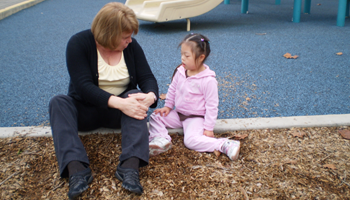
Coping with Trauma
The resources in the Coping with Trauma section of MAP will help you address the needs of children in times of violence and trauma. Some of the resources are specific to children with special needs and others are more general. Some of the resources are available in other languages as indicated.

Preventing Adverse Childhood Experiences
Adverse childhood experiences (ACEs) and their associated harms are preventable. Creating safe, stable, nurturing relationships and environments can prevent ACEs and help all children reach their full health and life…
The Pyramid Model and Trauma-Informed Care: A Guide for Early Childhood Professionals to Support Young Children’s Resilience (PDF)
This guide provides resources that support early childhood professionals to integrate the Pyramid Model for Promoting Social and Emotional Competence in Infants and Young Children and trauma-informed care. The intended…
Redirecting Grief to Growth: A Trusted Space, Video and Curriculum to Address Grief, Trauma and Anxiety During COVID-19 (Video)
As the nation navigates the ongoing COVID-19 pandemic, this film and curriculum offers tools to mitigate the effects of grief, trauma, anxiety, and other emotional stressors affecting both students and…
Resources for Helping Children Deal with Trauma
WCTE PBS stands in solidarity with the families impacted by the recent tragic event at Covenant School in Nashville. To assist in difficult conversations about violence in our community, we…

Responding to Tragedy: Resources for Educators and Parents
When tragic events happen, it can be difficult for educators, administrators, and parents to know how to help children understand and cope. How adults manage their own reactions, as well…
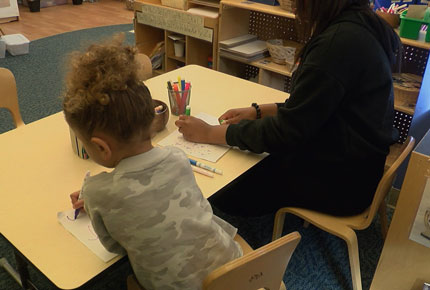
Responding to Trauma Related Behaviors, Video and Discussion Questions
When young children have experienced trauma, it affects their behavior and interactions in the classroom. How can early childhood teachers and caregivers respond to trauma-related behaviors in order to best…
Safe Spaces: Foundations of Trauma-Informed Practice for Educational & Care Settings (Video)
Safe spaces, developed by the Office of the California Surgeon General, is a free, online training designed to help early care providers, TK-12 educators and other school personnel recognize and…
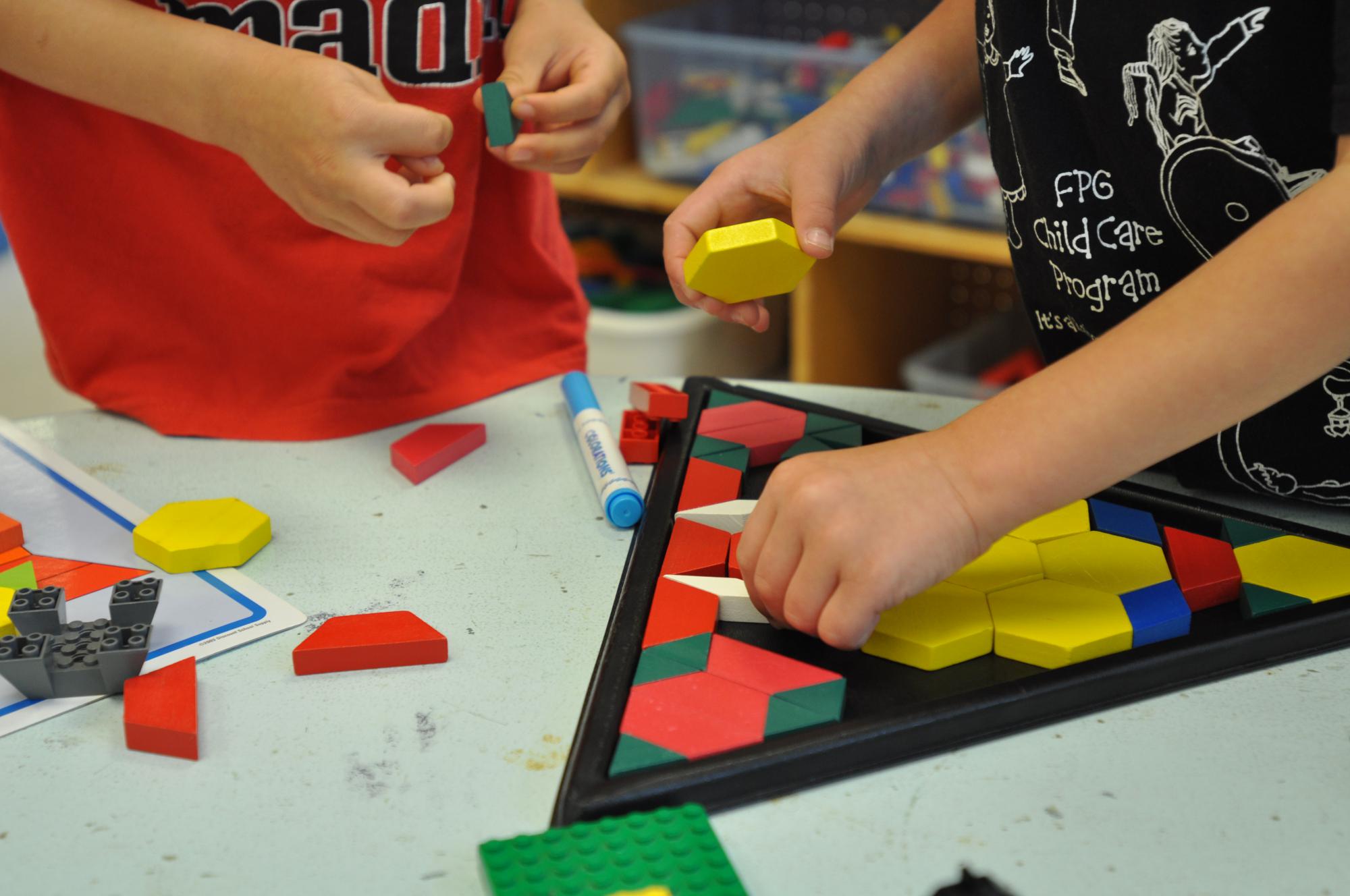
Self-Regulation Snapshots
FPG’s Desiree Murray and Duke Center for Child and Family Policy’s Katie Rosanbalm co-authored these free snapshots for practitioners and educators to use for each of six developmental phases. Each…

Sesame Street in Communities: Traumatic Experiences (Videos)
When a child endures a traumatic experience, the whole family feels the impact. But adults hold the power to help lessen its effects. Several factors can change the course of…

Sesame Street: Offering Comfort in Scary Times
Watch the video together and let kids know it’s good to ask questions about the [scary or confusing] things happening around them. Here are more ways you can offer your…

Strategies to Support Children Who Have Experienced Trauma (PDF)
The American Psychological Association describes a traumatic event as an occurrence in which there is a threat of injury, death or of bodily harm to one’s self or others. Feelings…
Strong Starts
What is toxic stress? Stop toxic stress before it starts. The best way to protect your child from toxic stress is to build them up before tough things happen. With…